Can you introduce yourself and share a bit about what you were doing before Uneed?
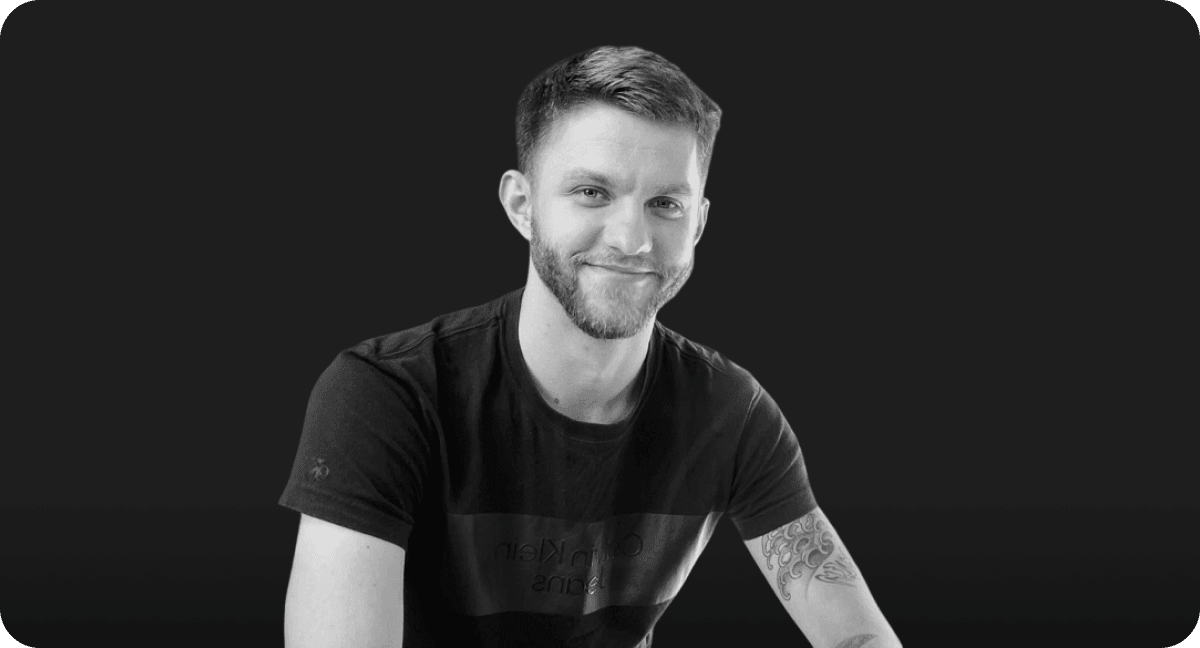
I'm Thomas, 31, based in Nantes, France. I've been building things on the internet since I was a teenager.
I studied web development, design, and business at Hetic in Paris — which was basically a school that covered everything from code to marketing to project management. After graduating, I did a few months of full-time employment, but quickly went freelance as a front-end developer and occasionally as a designer.
I also taught web dev on the side. Throughout all of that, I always had side projects running in parallel! The goal was always to eventually live off one of them.
And that happened in January 2025, when I went full-time on Uneed 😊.
What is Uneed and what problem does it solve? Why did you decide to build this specific product?
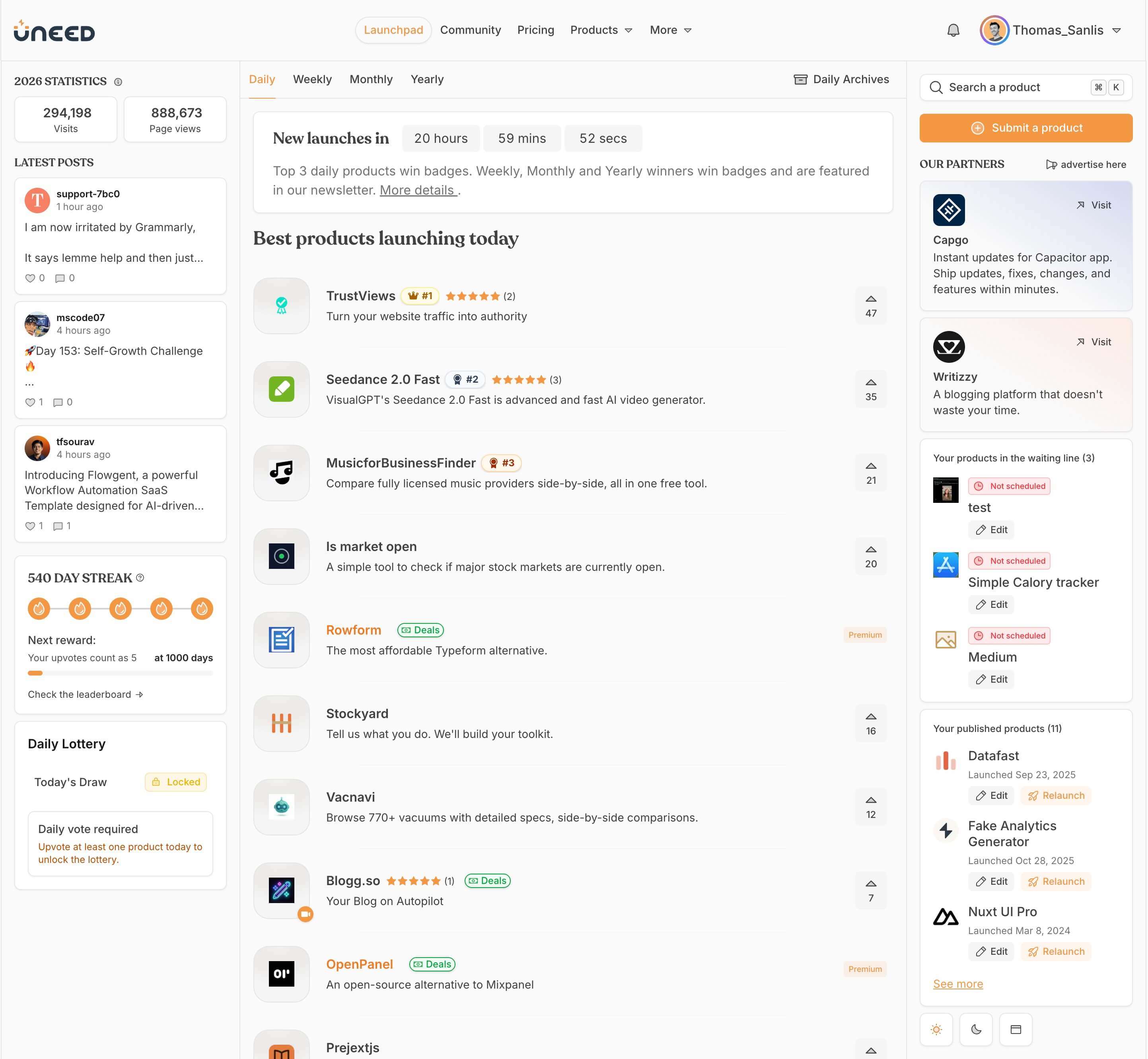
Uneed is a product launch platform for tech products, an alternative to Product Hunt, built with indie makers and small teams in mind.
The problem is simple: on most launch platforms, visibility goes to whoever has the biggest network or marketing budget. If you're a solo developer, you get buried. Uneed fixes that by guaranteeing every submitted product gets featured on the homepage. We cap daily launches, don't tolerate vote manipulation, and maintain real editorial standards.
The origin story is kind of funny 😅. It started during my studies as a simple directory of front-end tools. I was testing new products constantly, so I built a little Nuxt site to list them and forced myself to add one new tool per day.
Eventually, I got tired of sourcing them myself, so I added a form for visitors to submit their own tools. A queue system formed naturally, and the oldest submissions got published first via a cron job.
When the queue grew, I added a $30 skip-the-line button. Nobody bought it, so I forgot about the project and moved on. Then one day, I got a Gumroad email: "You made a sale!" And the machine started running, all the way to where I am today.
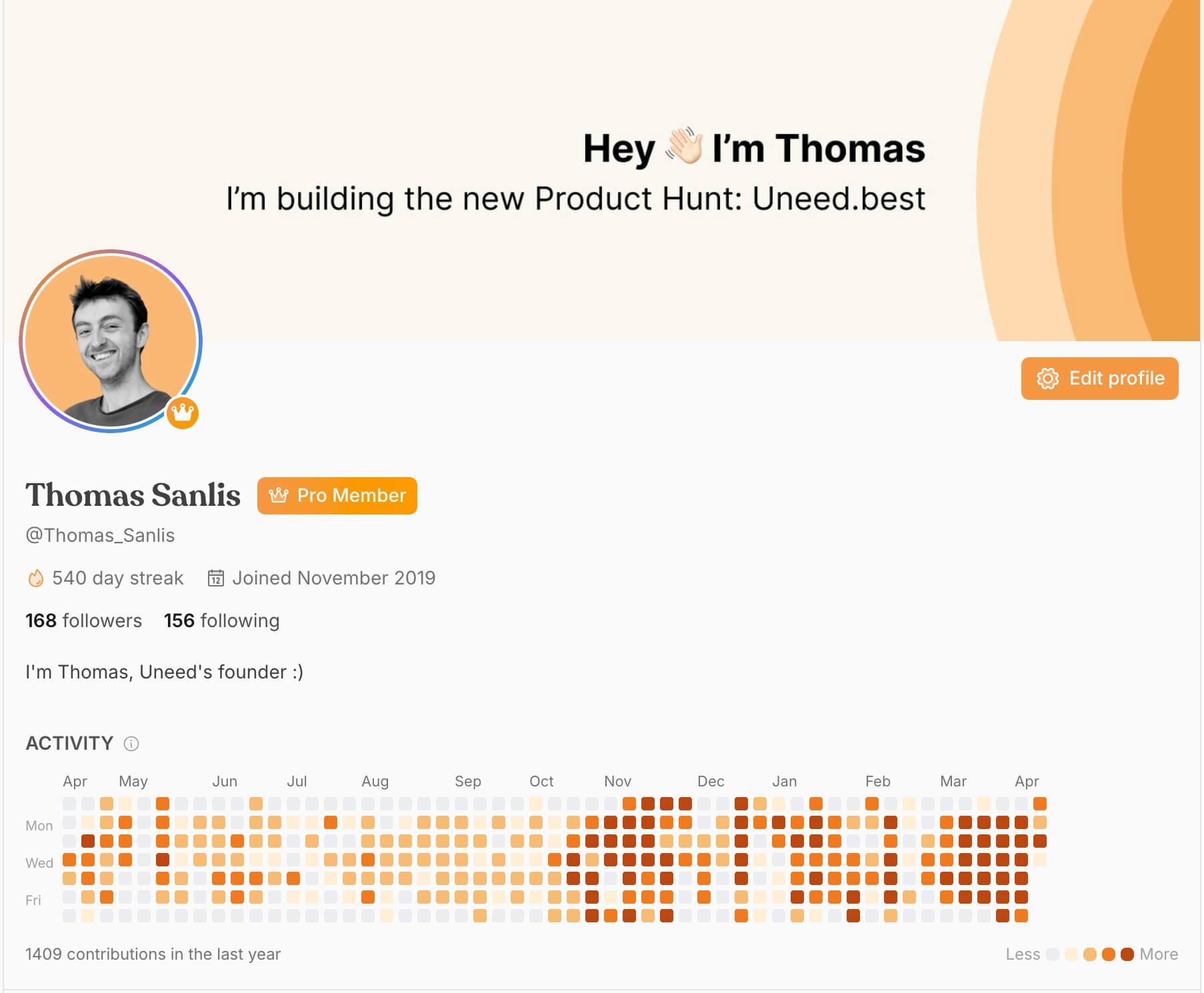
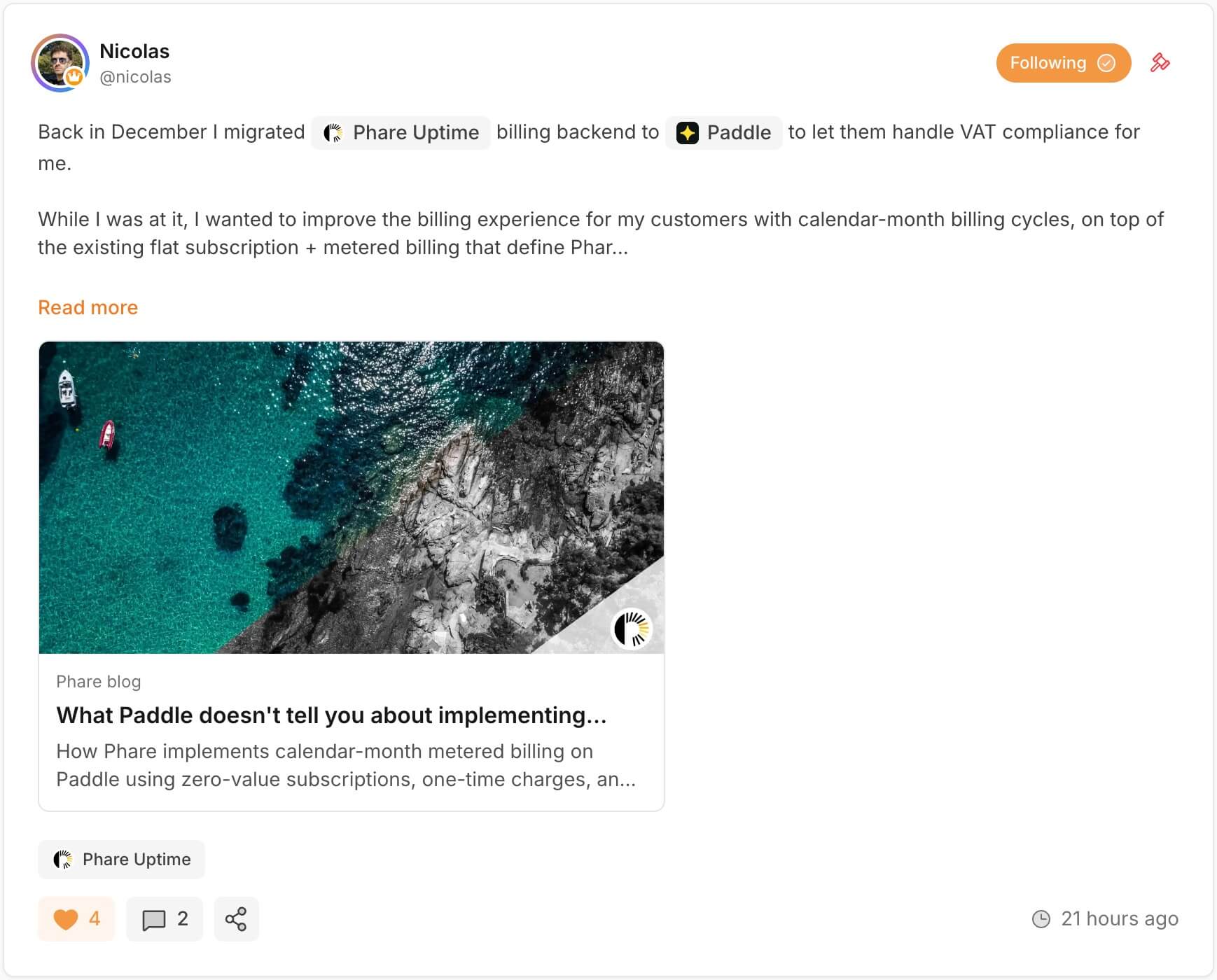
Since then, Uneed has grown way beyond a launchpad. We have a community for builders, a weekly newsletter with 6,000+ subscribers, a review service, and Auto Submit — a tool that gets products listed across dozens of quality directories for SEO.
What does a typical day look like for you as a founder?
I don't have a typical day 😎.
Jokes aside, it's rather true: I don't like to plan things in advance, and if today I work 10 hours, tomorrow I could work 2 and none the day after.
When I work, coding is now a small fraction of my day. Most of my time goes to communication, customer support, marketing, SEO, social media, and content. And when I do build features, AI handles about 95% of the actual coding!
What has been your biggest challenge so far?
Retention. Getting people to launch on Uneed is one thing, but getting them to come back regularly to browse, upvote, and engage with the community is much harder.
A launch platform is inherently transactional: people show up when they have something to ship, then they leave.
Building habits around that takes time and a lot of experimentation. That's a big part of why we invested in community features, Uneed Pro, and tools like goals and build in public posts: to give people reasons to stick around beyond launch day 😊.
How do you currently collect and manage feedback from your users?
Mostly through direct conversations. People reach out via email, on X, or through the Uneed Community. I also run a French indie hacker Discord called Zefrenship, where I get a lot of unfiltered feedback from builders who use the platform.
I don't use a dedicated tool 😅. But to be honest, as I'm running this business alone, it's impossible to "do it right" in every aspect of it.
How do you decide what features to build next and put on your roadmap?
It's a mix of user feedback, gut feeling, and business impact.
I ask myself: will this help retain users, attract new ones, or generate revenue? If it checks at least two of those boxes and I keep hearing about it, I prioritize it.
I also try to ship fast and iterate — I'd rather put something out in a week and improve it based on real usage than spend months perfecting something nobody asked for (yes, it happened many times 😂)!
Being a solo founder helps here. There's no committee, no sprint planning, so I can decide on Monday and ship on Tuesday (or Monday…).
Don't miss another founder story
Every week we sit down with a founder building something real. Get the next one in your inbox.
What are the top 3 tools or apps your team uses every day?
It's a team of one, so here are my three essentials:
Conductor - my AI agent orchestration tool. It's not my chauffeur, it's how I manage my dev workflow with AI.
Bento - my marketing and transactional email tool.
Kadoc - my dog. Technically not a SaaS, but definitely the most reliable member of the team.

How do you use AI in your daily work or inside your product?
Everything except coffee and design. Coffee because AI can't make it yet, and design because that's how I think: I need to draft things visually myself.
My current setup is Claude Opus 4.6 with Conductor, plus a full system of skills and MCP servers configured. I open Cursor occasionally when I need to tweak something manually, but it's becoming rare.
I draft marketing and SEO ideas with Claude, plan dev work with Claude, Claude codes for me, runs tests, and reviews.
I'll be honest: I've reached the stage where I don't even look at the generated code anymore.
What has been your biggest mistake or learning so far?
For a long time, I accepted basically every product submission. More products, more traffic, more value… that was the logic. But it actually diluted the platform.
When you let in every generic AI image generator and file converter, the homepage stops being interesting, and the backlink you offer loses its value.
The lesson: quality beats quantity, every time. We now have real editorial standards and actively refuse low-effort or saturated products.
It was uncomfortable at first (nobody likes saying no) but it's made the platform significantly better for makers and visitors alike.
What is one piece of advice you would give to someone starting a startup today?
Ship something small, charge for it early, and talk to the people who use it.
Most first-time founders spend way too long building in isolation. You don't need a perfect product, you need a real one that someone is willing to pay for. The feedback from paying users is worth more than months of planning.
Also, don't underestimate how long things take. Uneed has been a six-year journey. The overnight successes you see on X usually have years of invisible work behind them. If the idea of constant change and reinvention excites you, you'll thrive. If not, it might be a rough ride.
What is the next big goal for Uneed?
On the product side, I'm focused on two things: first, growing the Uneed Community into the go-to space for builders to connect, share progress, and support each other. Second, I'm launching Uneed Residency, an in-person event where indie hackers come together for a week to build, learn, and connect. The first edition is happening in Nantes this May, with a second batch planned for September.
Longer term, I want Uneed to be the platform serious builders think of first, not as the "tiny alternative" to Product Hunt, but as the smarter, more effective choice for any tech product that deserves real visibility!
Good luck!
Thank you to Thomas for sharing his time and insights with us. You can learn more about Uneed at uneed.best.